
In autumn and winter, the garden becomes an important dining place for many birds. Which species you get visits from depends on your region, how close you live to forest/fields/city, and not least what feed you offer 🐦.
Here you get a clear guide to the winter birds in the garden – and what typically attracts them to your feeding spot. Use the list as inspiration to make the garden more bird-friendly all winter.
In short: If you want more species, offer more types of feed (seeds, fat and fruit), keep the feed dry, and give the birds a sense of security with visibility and cover.
3 simple things that work:
💡 Tip: Spread the feed across 2–3 small places. Some birds are cautious and stay away if it gets crowded.
Below you will find an overview of typical species. You don’t need to know the Latin names, but they are included as reference info.
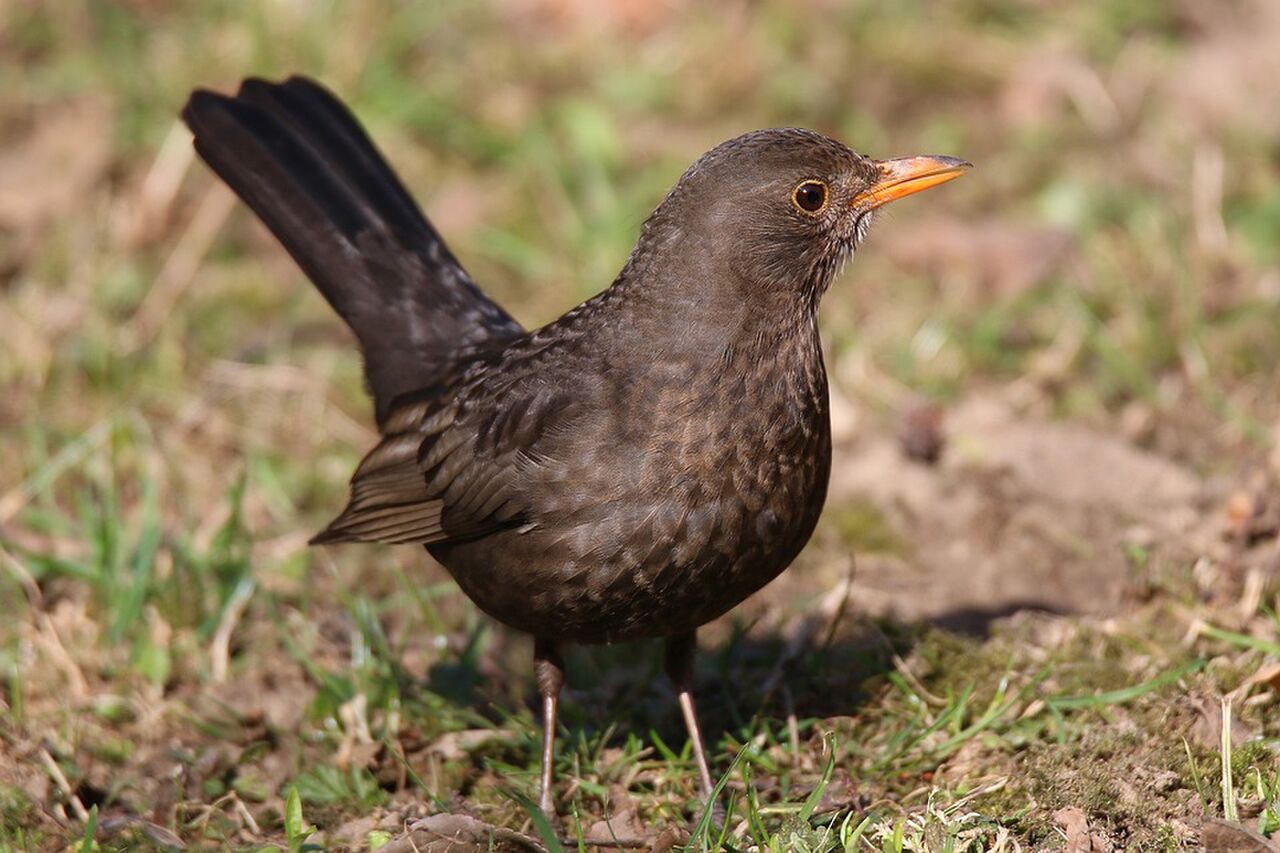
The blackbird is one of the most common thrushes in the garden. It is typically 23–29 cm and is seen year-round. The male is black with an orange beak, while the female is often browner.
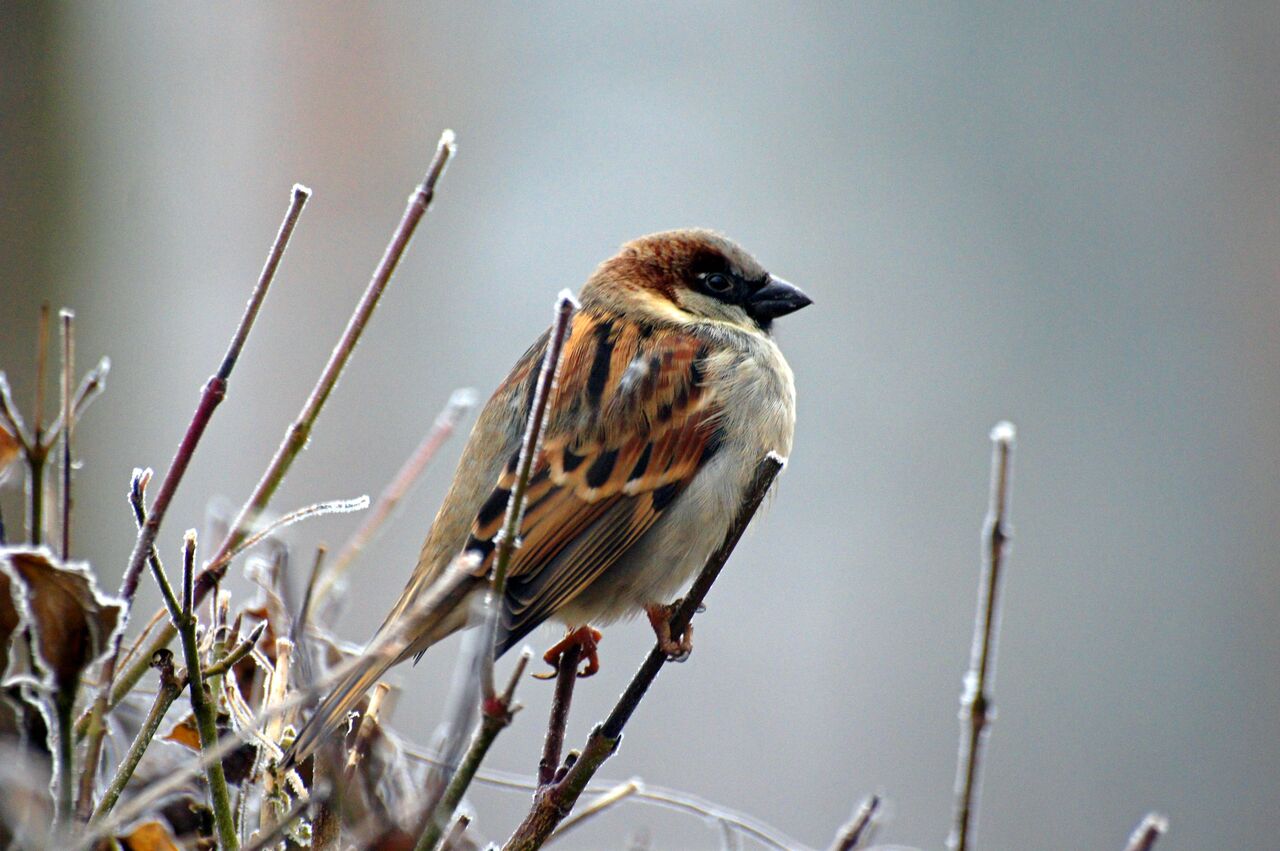
The tree sparrow resembles the house sparrow, but often has a warmer brown/copper tone. It is about 12–14 cm and can be a frequent guest, especially where seeds and grain are provided.
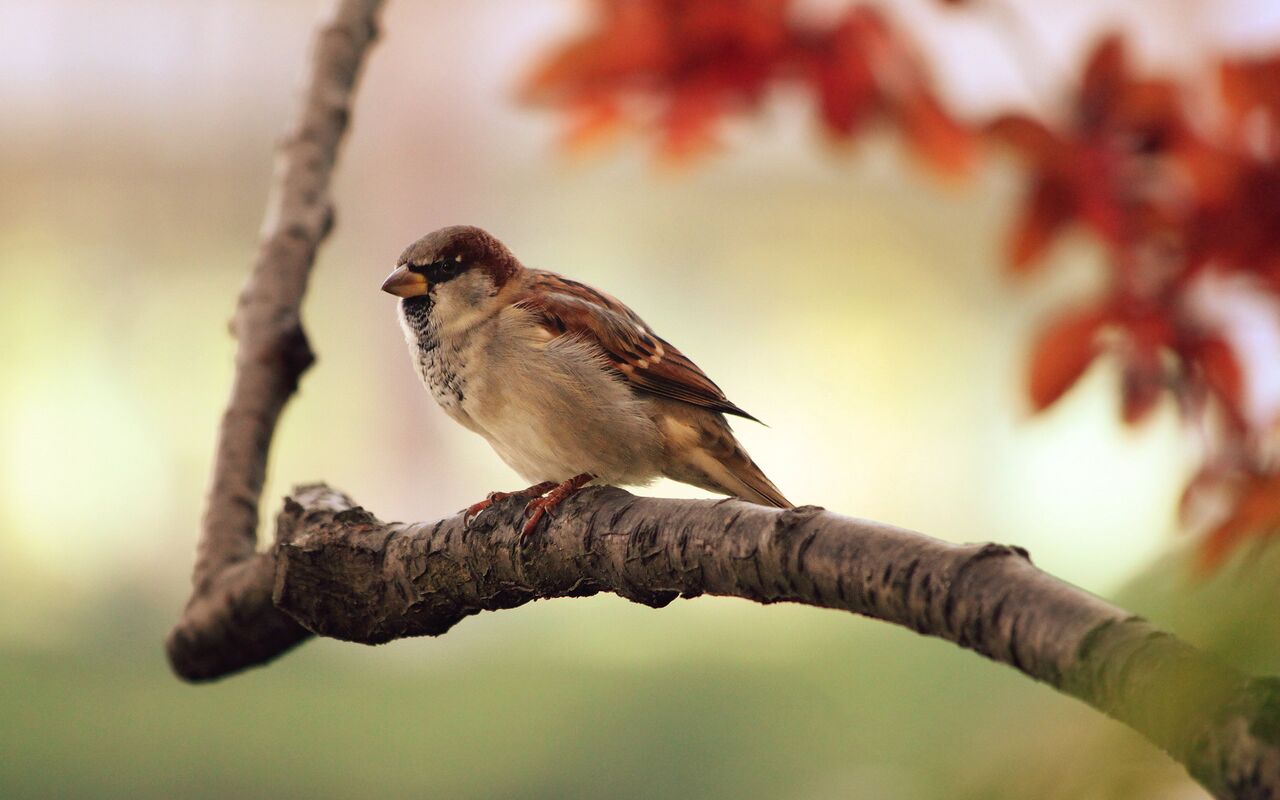
The house sparrow is social and often comes in flocks. It is typically recognized by its gray/brown plumage and thrives around people. It readily eats many types of seeds and grain.
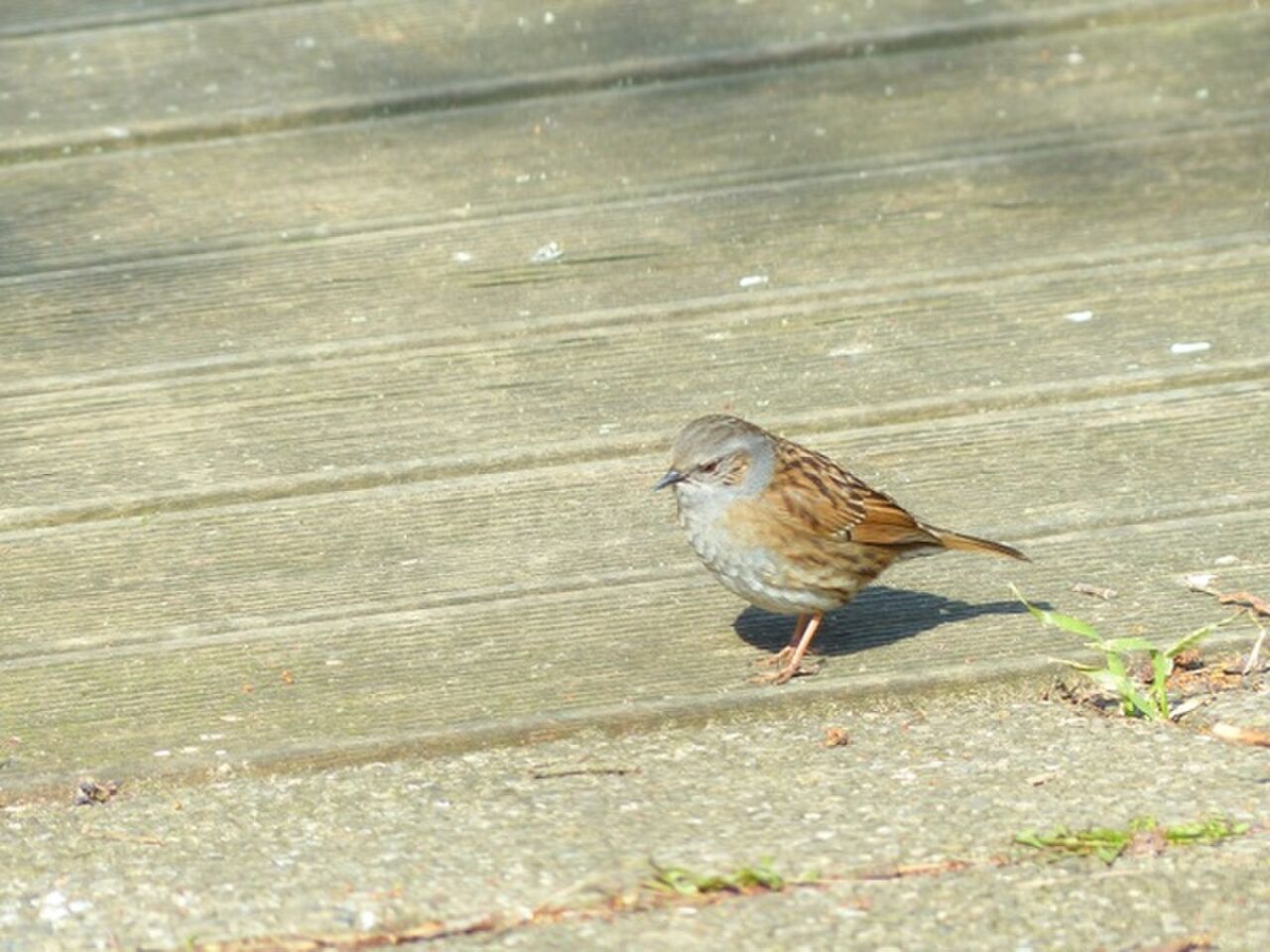
The dunnock is a small, discreet gray-brown bird around 14–15 cm. It is often more reserved and is frequently seen at the edge of the feeding area, where it gathers small seeds and leftovers.
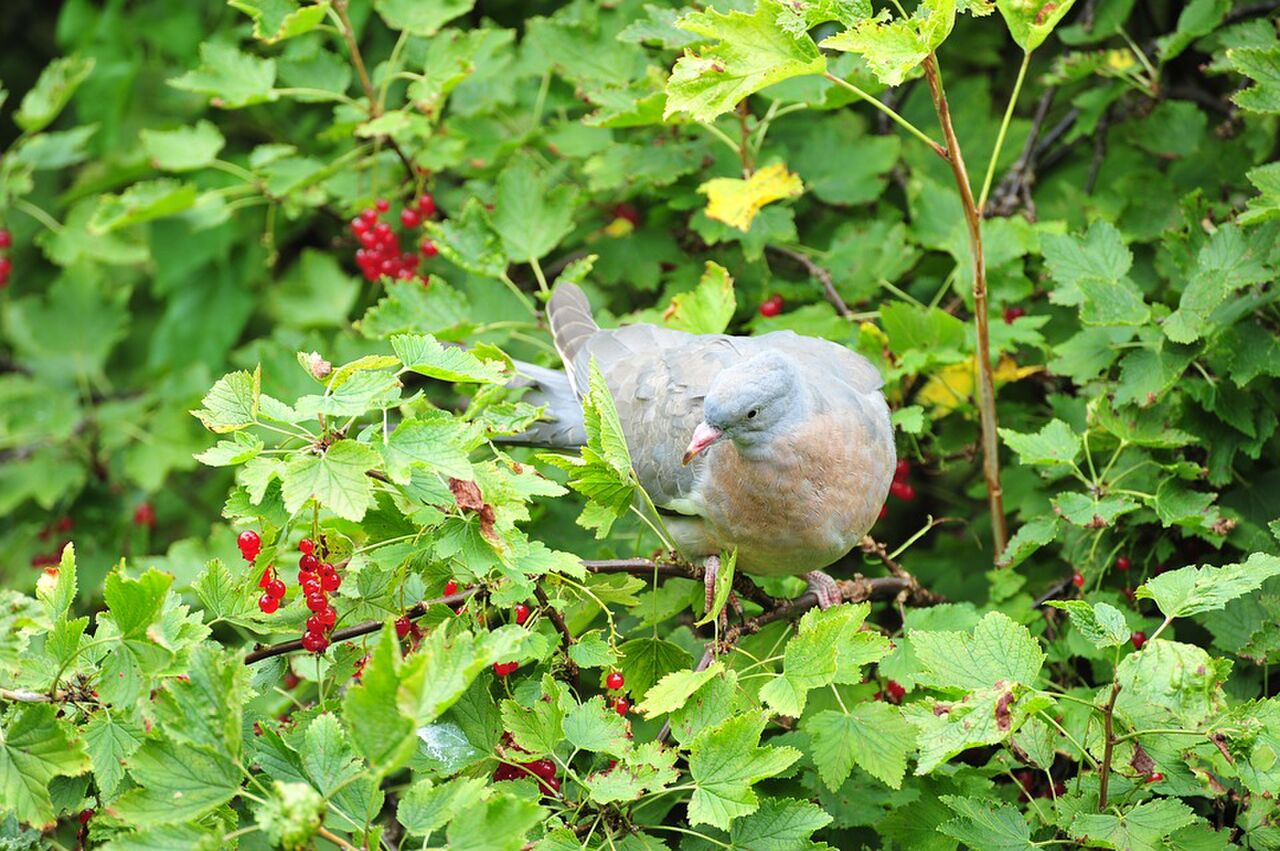
The wood pigeon is large (about 38–43 cm) and may show up in flocks during the winter months. It often looks for food on the ground and can quickly empty large amounts if it gets access.
💡 Tip: If you want to avoid pigeons emptying the feed, use feeders and only put out small amounts at a time.
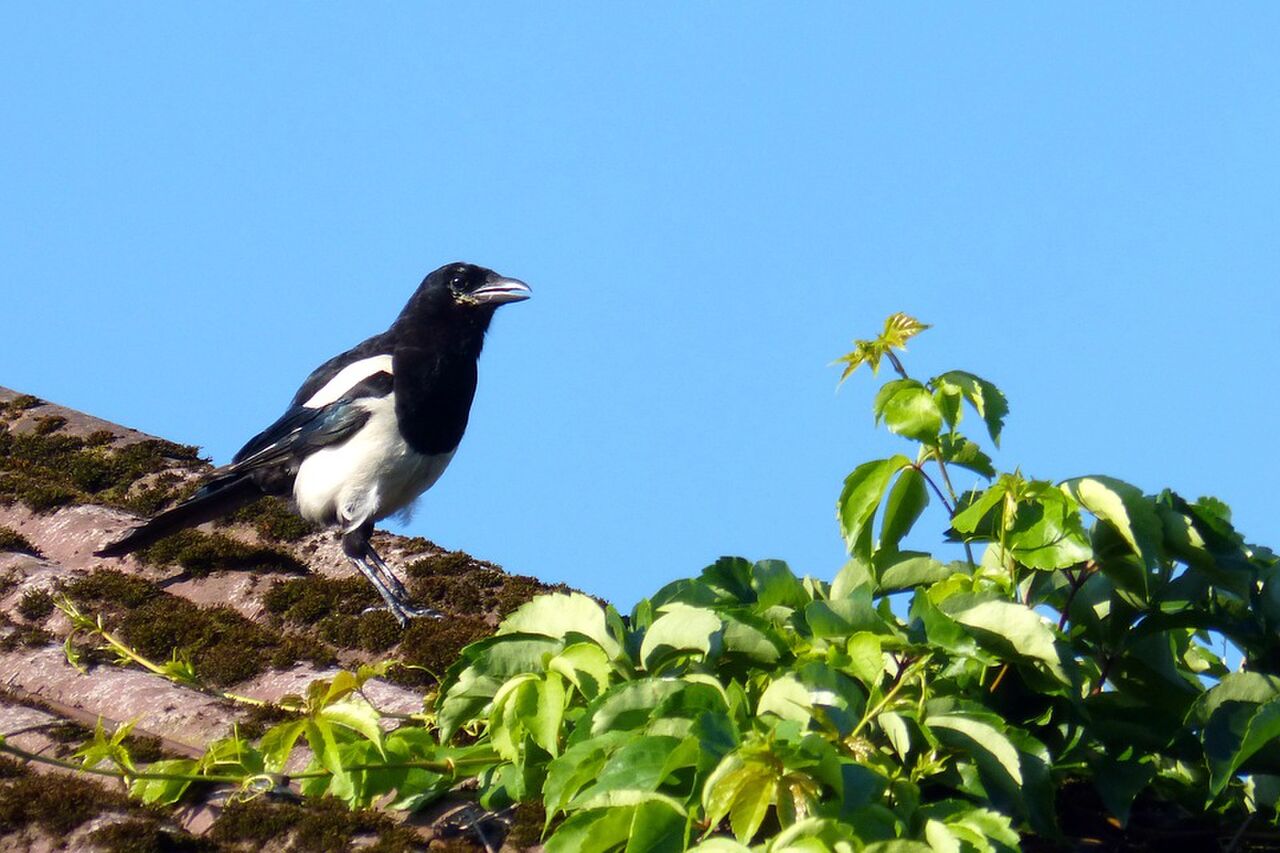
The magpie is easy to recognize by its black-and-white plumage and long tail. It is intelligent, curious and opportunistic, and can take many types of food.
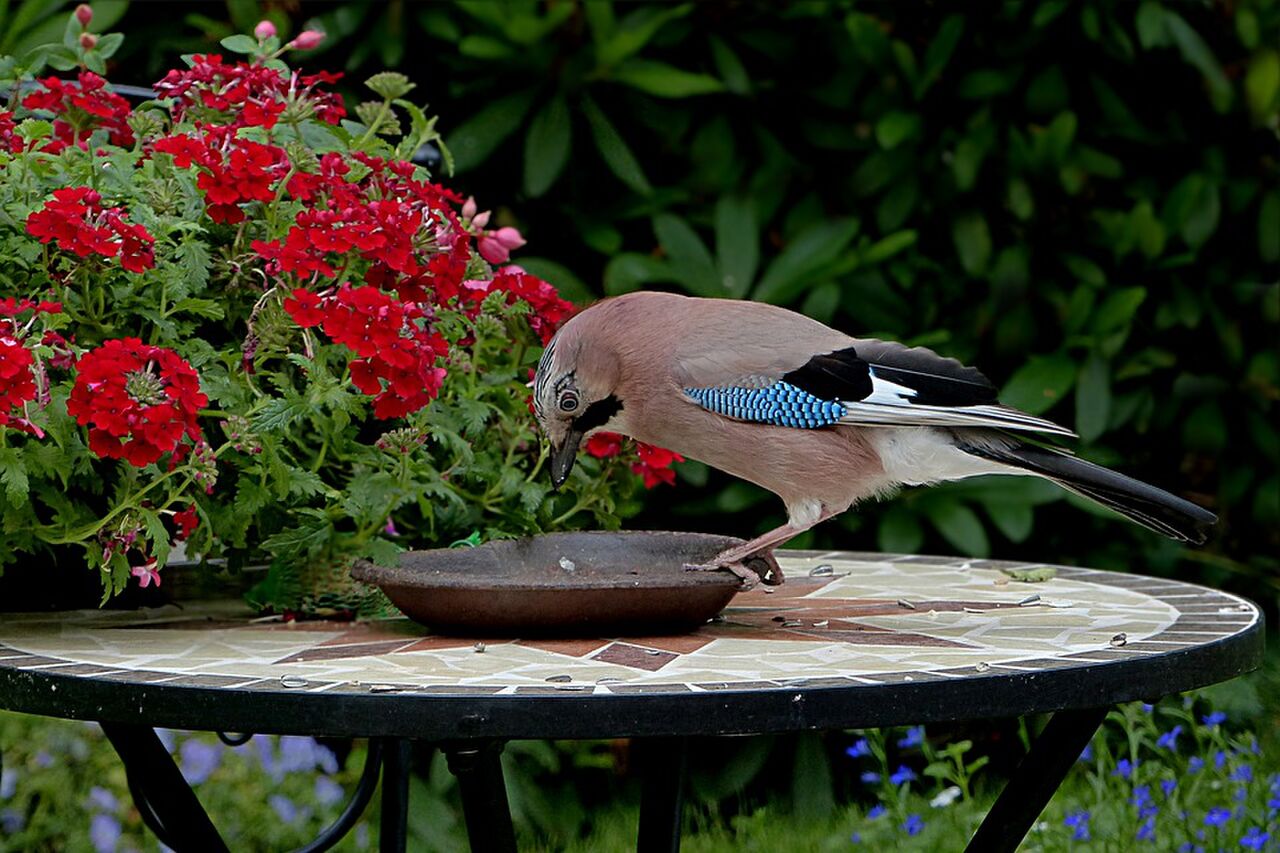
The Eurasian jay is often seen near woodland and larger trees. It has brownish plumage and distinct blue/black wing patches and can be very shy.
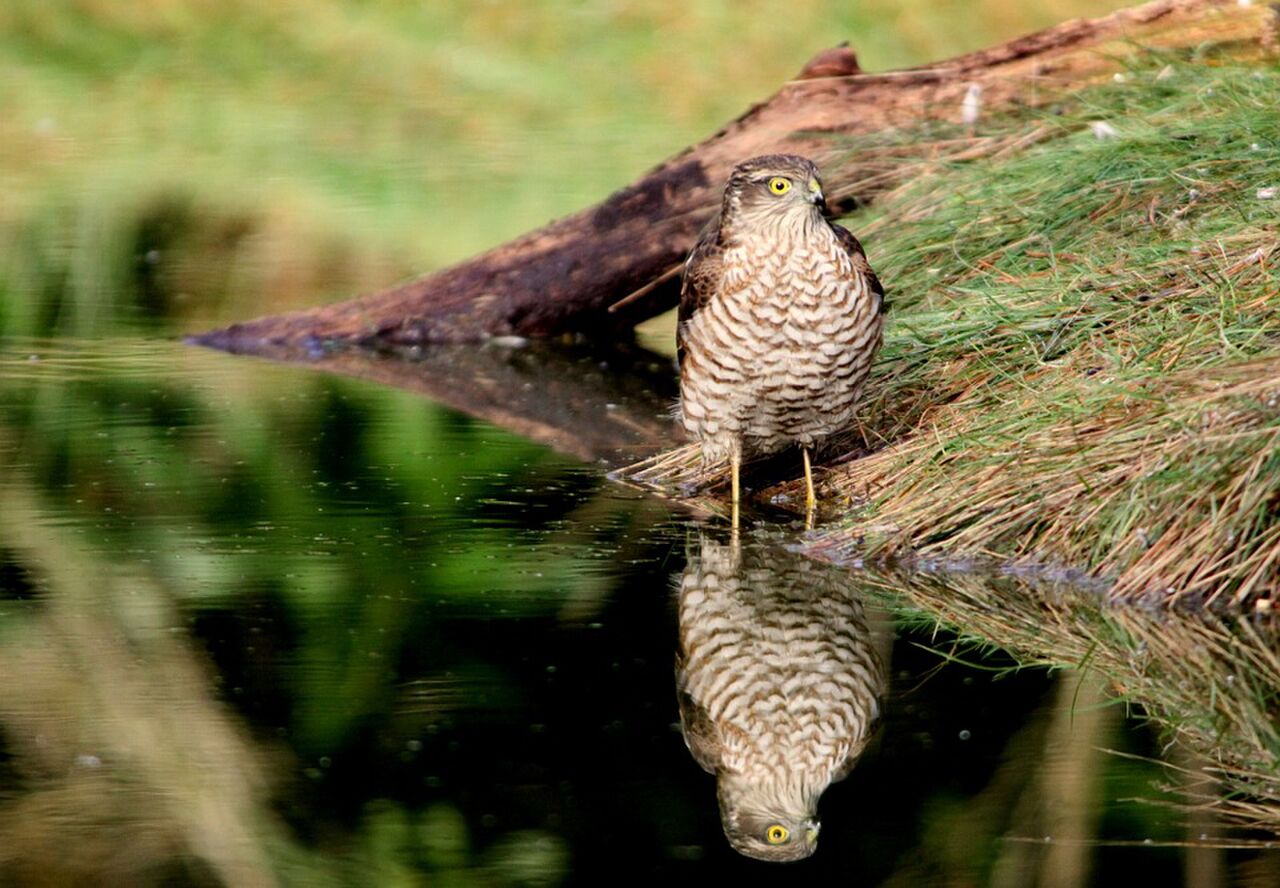
The Eurasian sparrowhawk is a bird of prey that hunts small birds. It can occasionally be seen in gardens where many birds gather at feeding stations. The male is typically smaller than the female.
⚠️ Birds of prey are a natural part of the ecosystem. If the sparrowhawk shows up, you can help small birds by having denser bushes at an appropriate distance, so they have escape and hiding options.
The Northern goshawk is larger than the sparrowhawk and is typically seen near woodland and larger natural areas. It is rarer in gardens, but it can occur, especially if there are many pigeons in the area. The male is often around 49–56 cm, while the female can be 58–64 cm.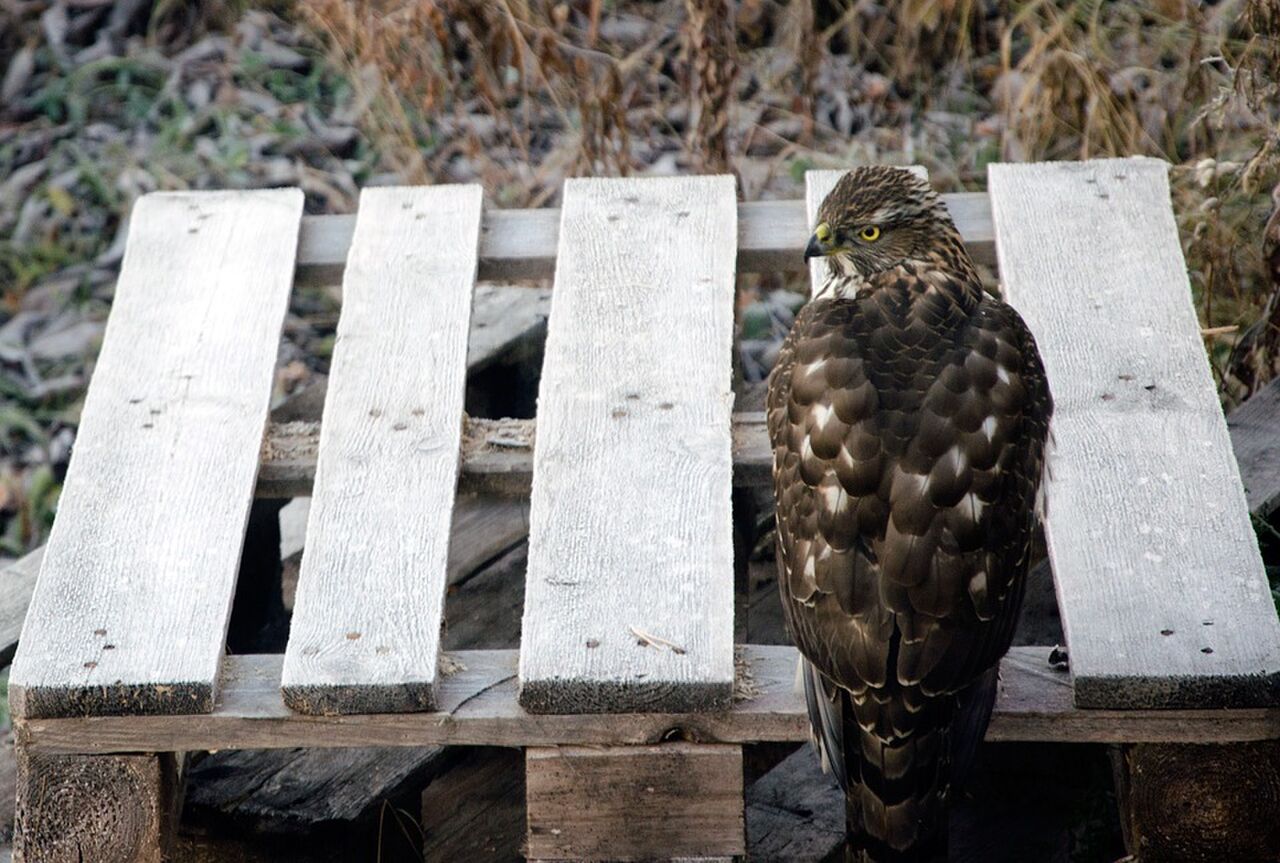
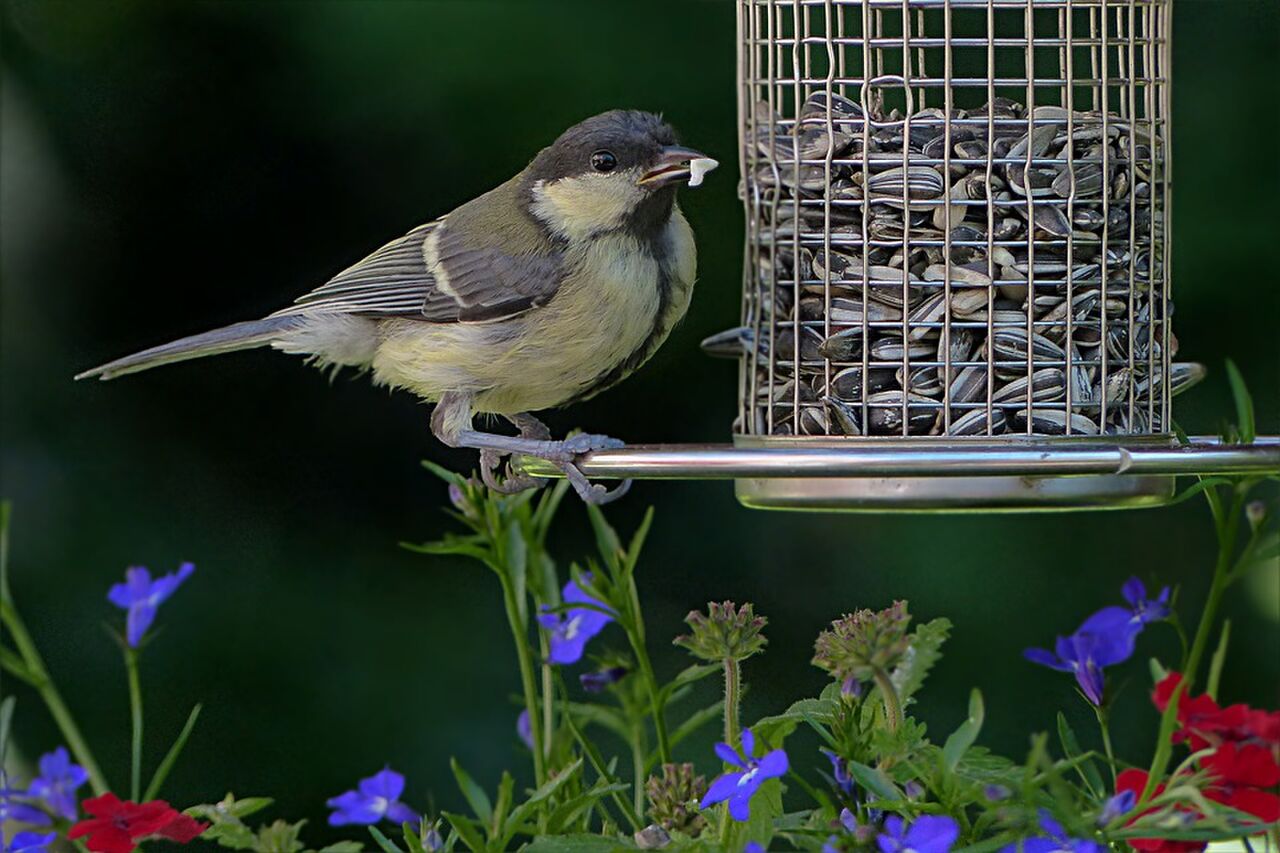
The great tit is one of the most well-known tits (about 14–15 cm). It has a yellow breast with a black stripe and white cheeks.
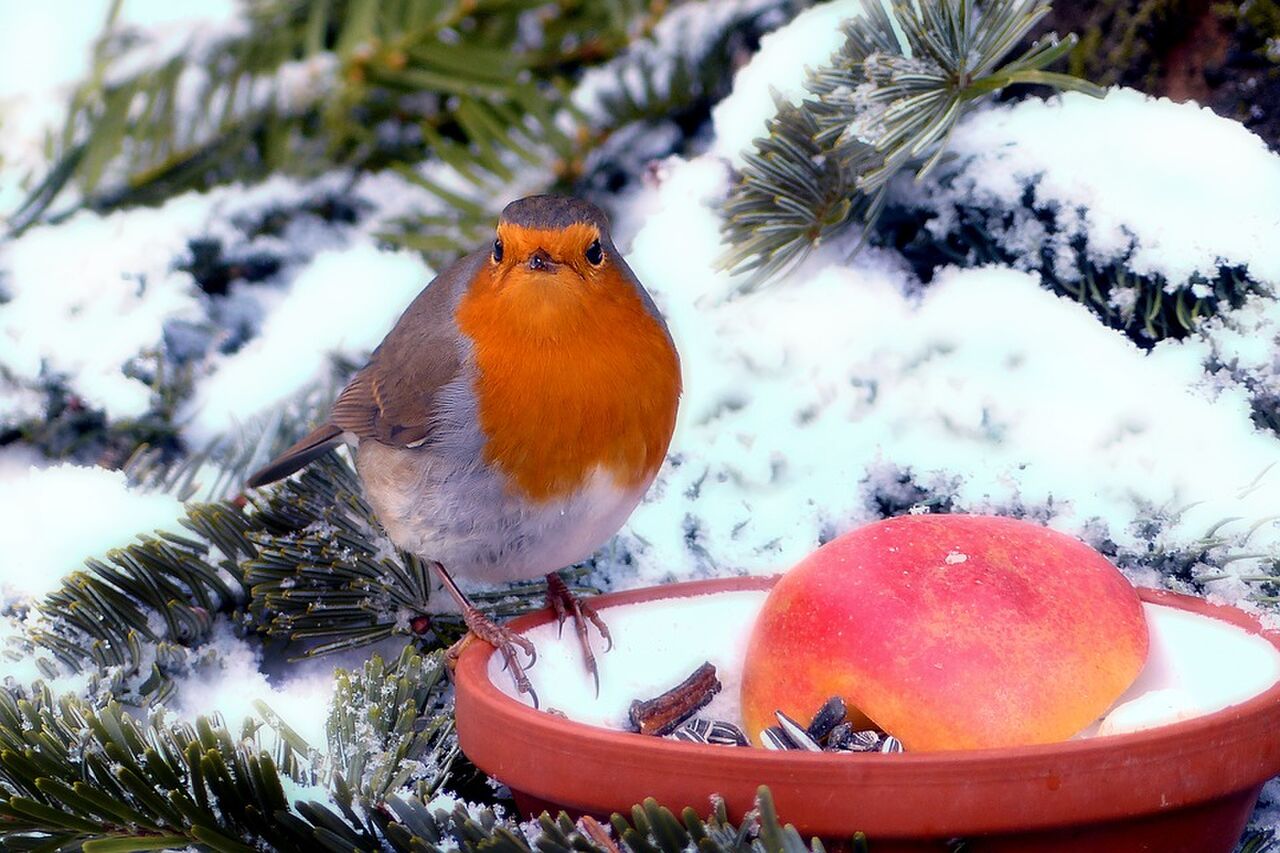
The robin is easy to recognize by its orange breast. It is often cautious and is frequently seen on the ground under the feeding spot, where it gathers crumbs and small pieces. It is typically about 13–14 cm.
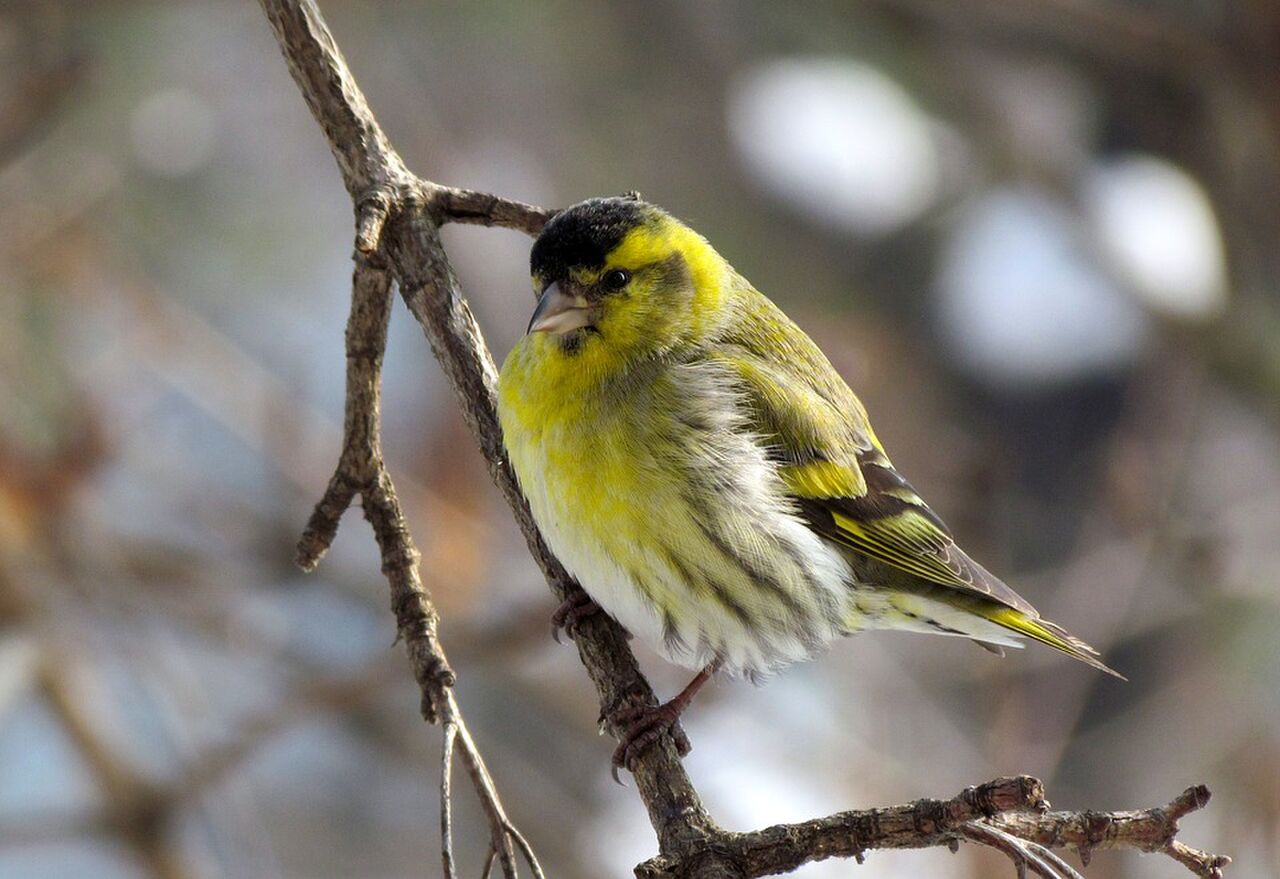
The Eurasian siskin is small (about 11–12.5 cm) and can have distinct yellow-green colors. It often comes in smaller flocks, especially where there are seeds and fat. In newer sources, the species may also be called Spinus spinus.
The yellowhammer is a beautiful bird around 16–17 cm with yellowish plumage. It is often seen in open areas, near fields and in the countryside.
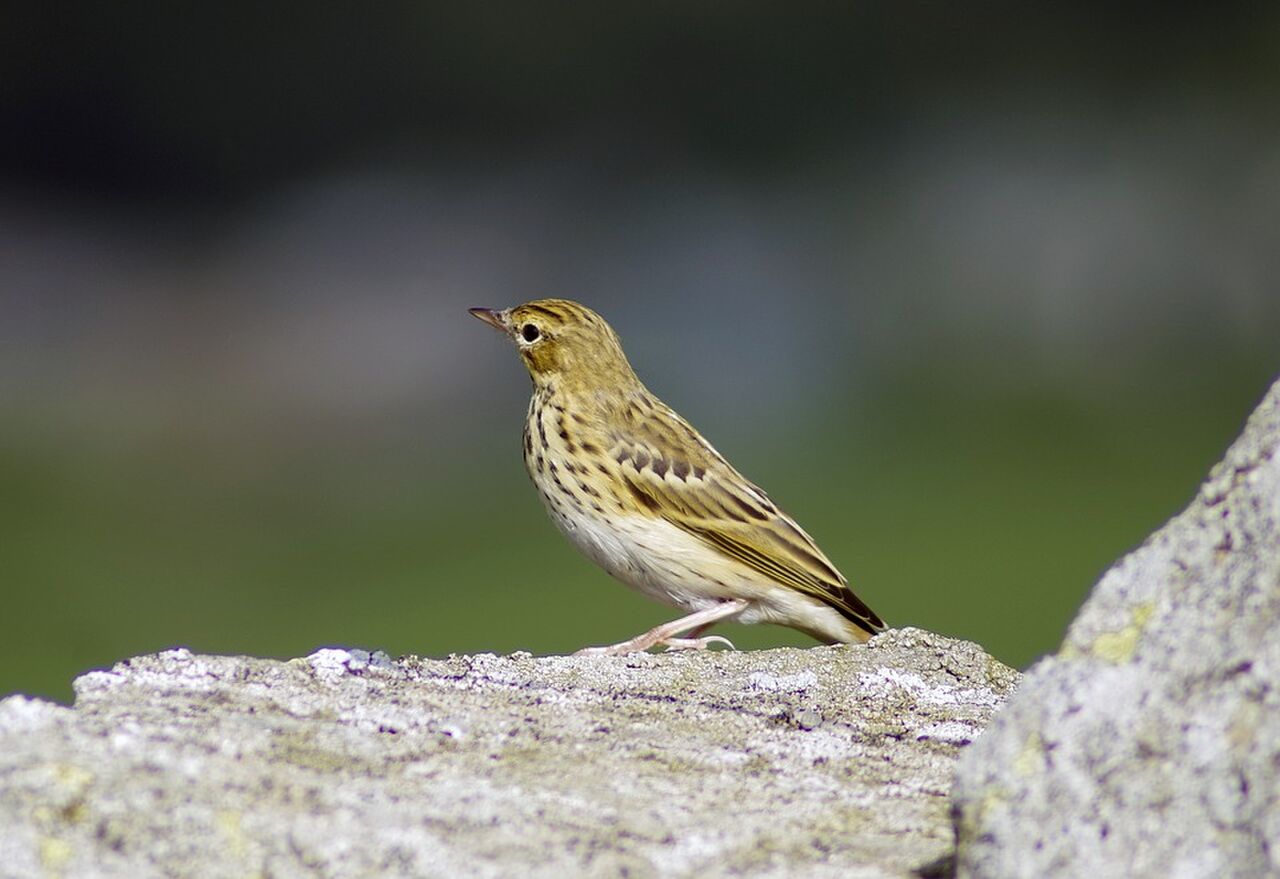
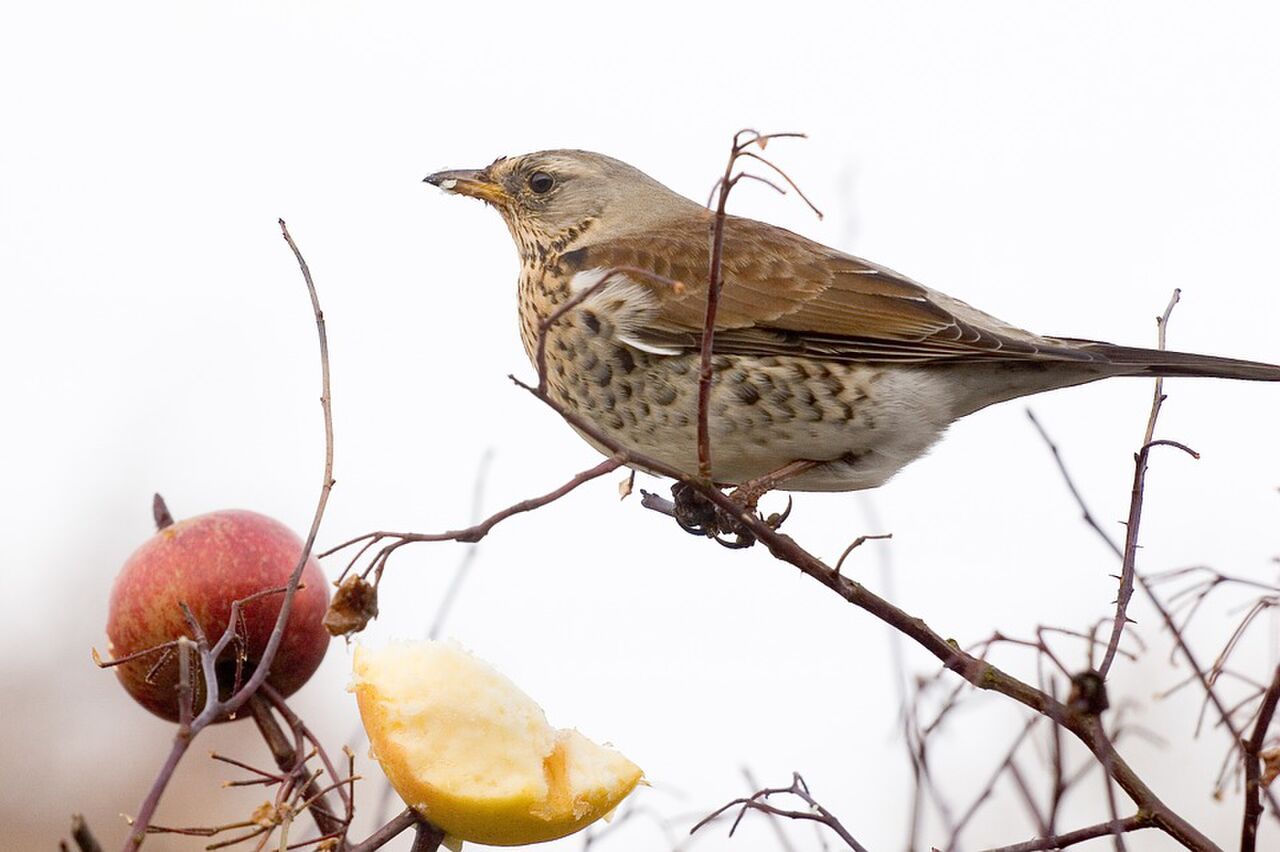
The fieldfare is a thrush that can show up especially in winter, often in flocks. It likes fruit and berries and can be an exciting guest in gardens with fruit trees.
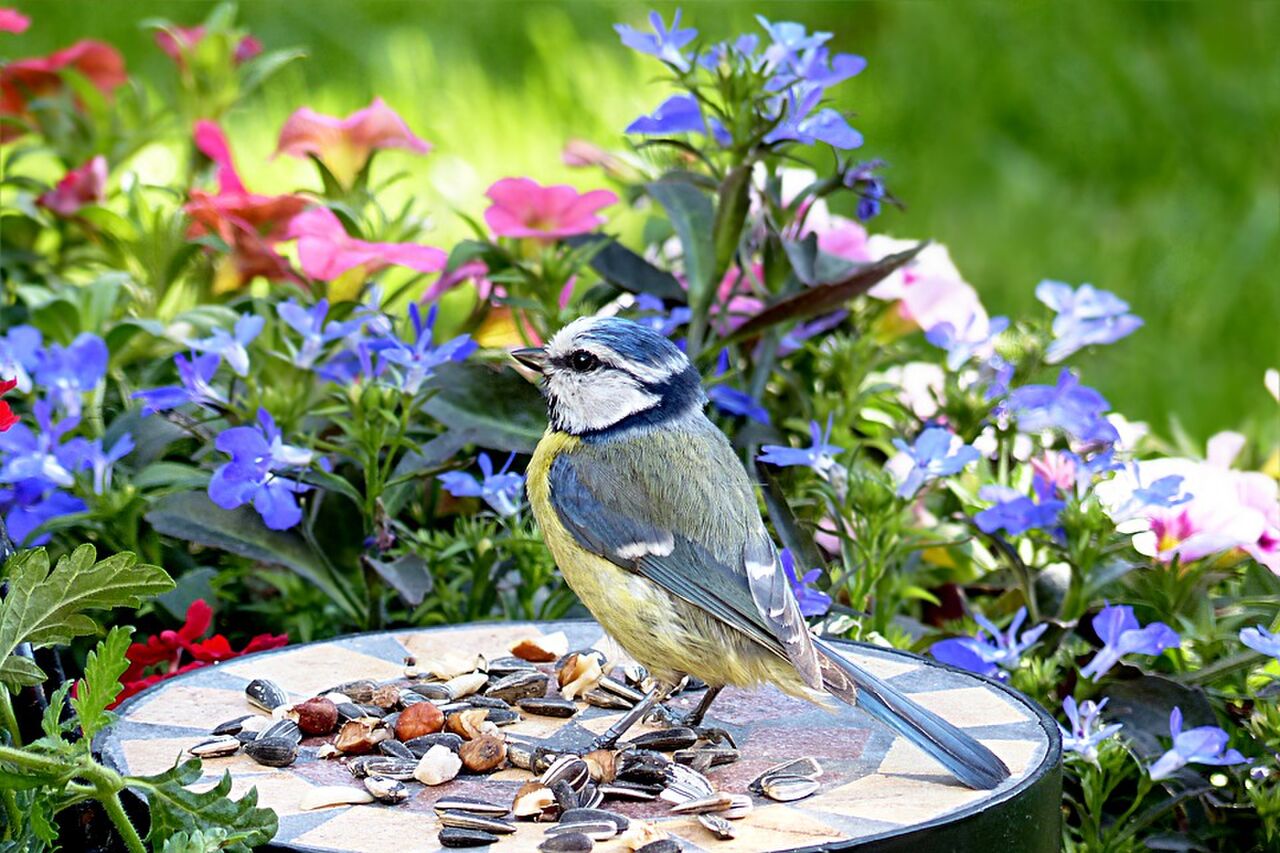
The blue tit is a small tit that likes sunflower seeds and fat. It is fast and is often seen in the company of other tits. It is typically around 10.5–12 cm.
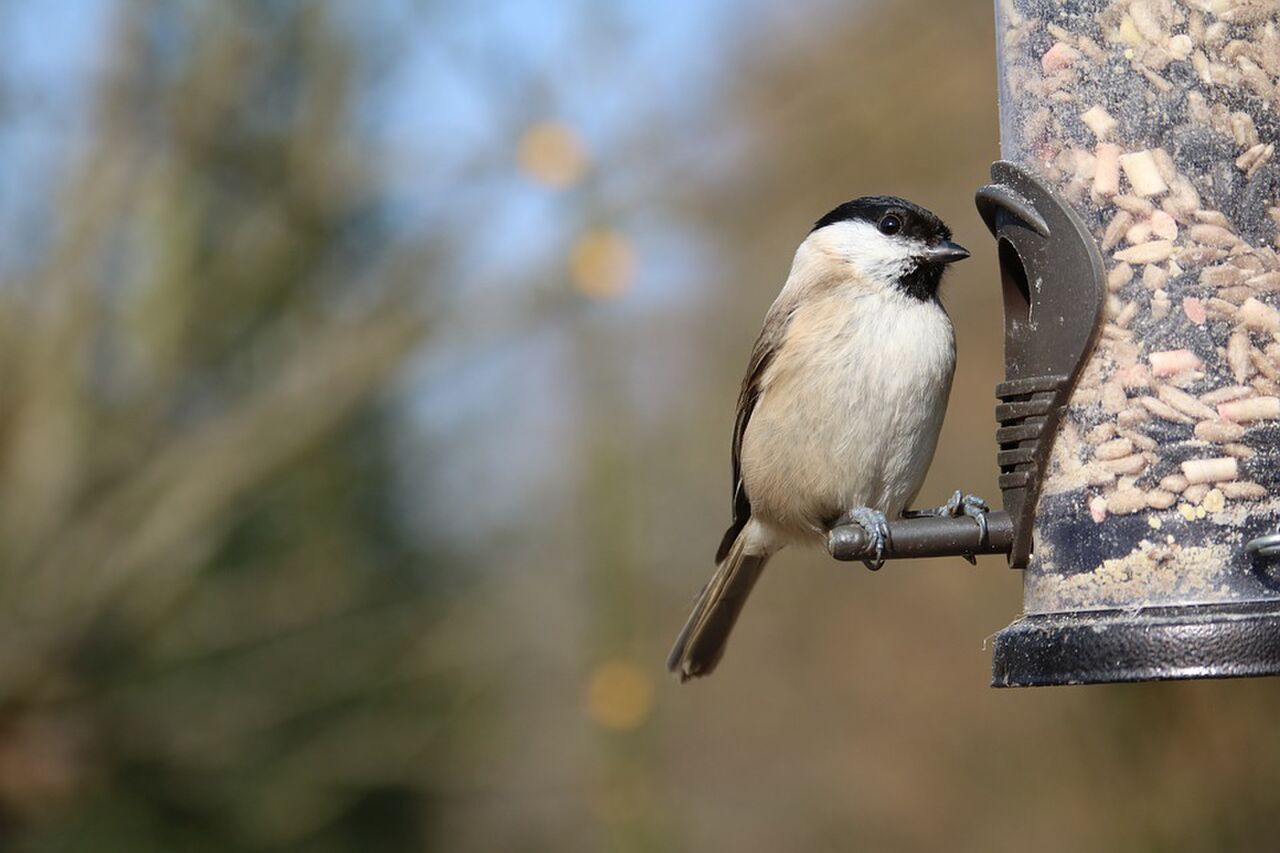
The marsh tit resembles other tits, but may be a bit rarer to see in the garden. It readily eats small seeds and can become a regular guest if the feed suits it.
It varies by area and feed, but common winter visitors at feeding stations include blackbird, tree sparrow, house sparrow, great tit and blue tit. In some gardens, robin and Eurasian siskin are also seen.
Variety is key: energy-rich seeds (e.g., sunflower seeds), fat and fruit typically attract more species – and fruit can, for example, lure thrushes such as blackbird and fieldfare.
Clean feeders regularly with warm water (possibly mild soap). A rule of thumb is about once a month, but more often in damp weather or during high activity. Also keep the area under the feeding spot as clean as possible.
That’s natural. Provide small birds with bushes/denser planting at an appropriate distance, so they have good escape and hiding options.


